

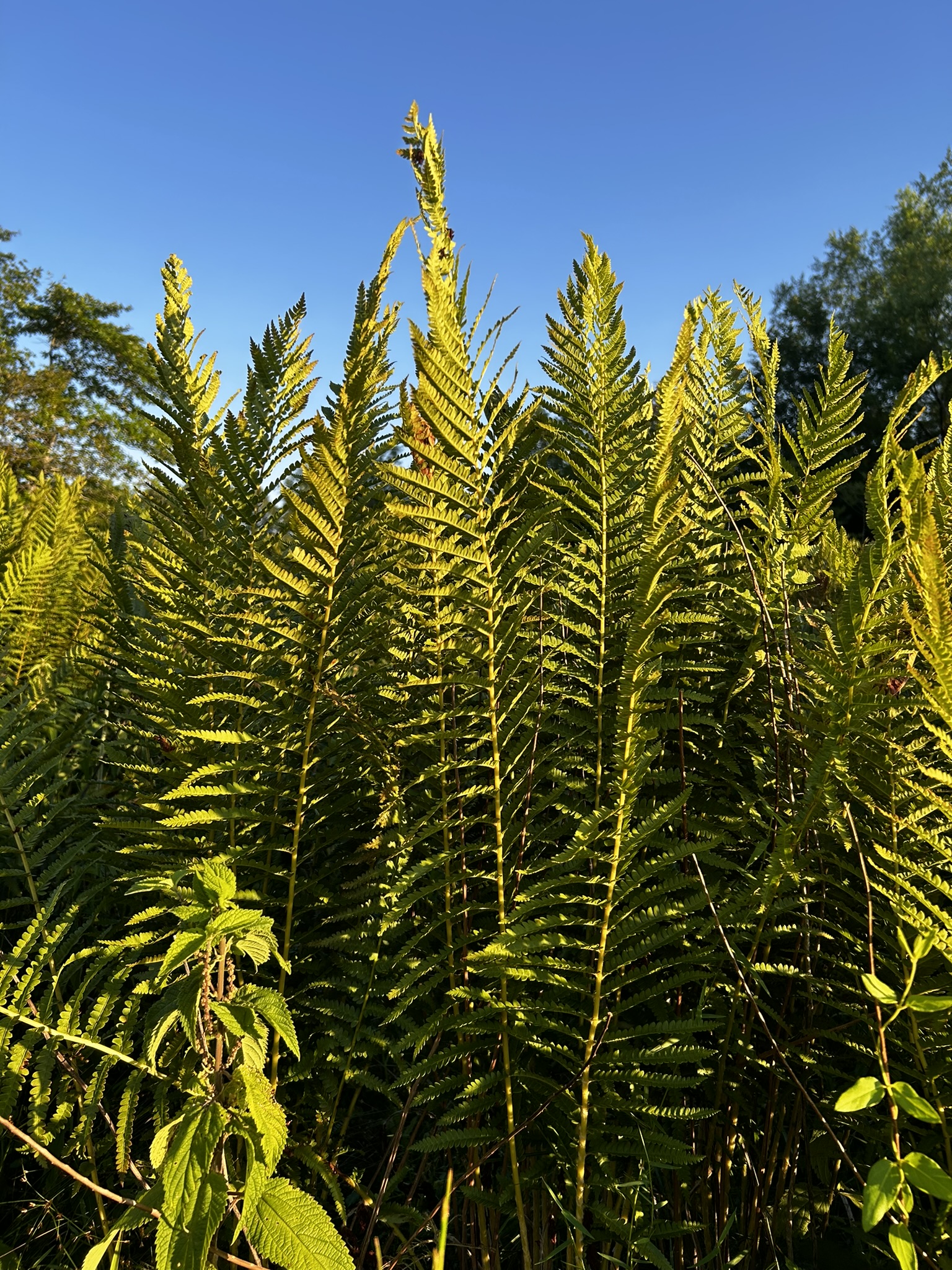
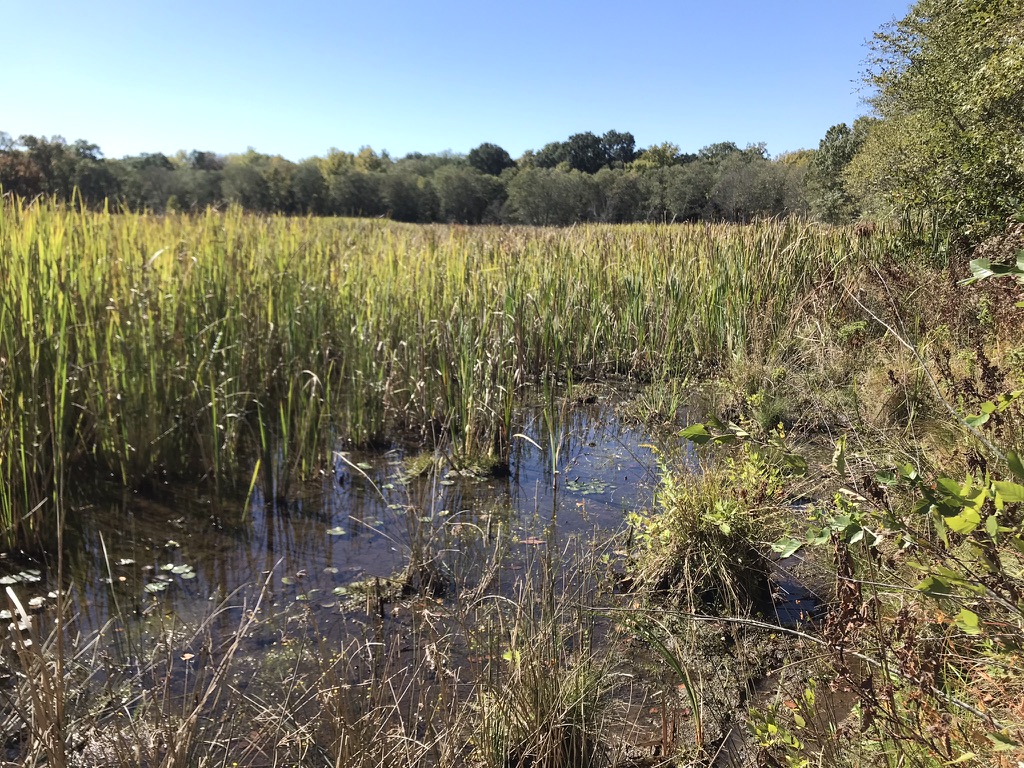
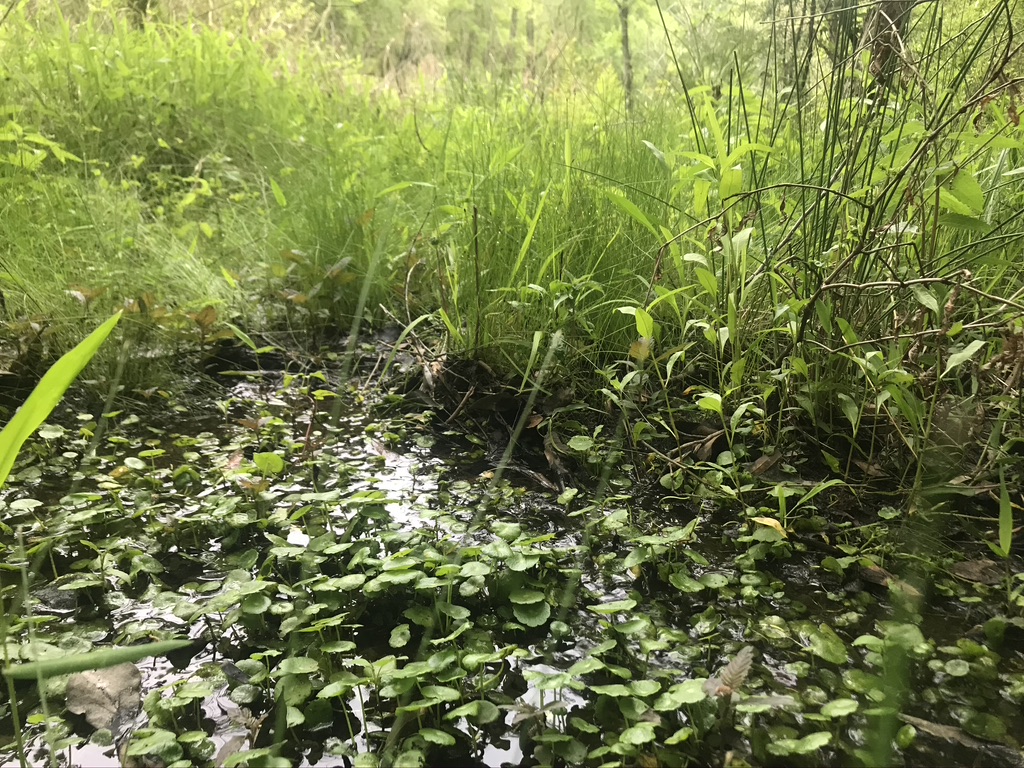
In Oklahoma, wetlands occur in all of our ecoregions. These images are from a variety of wetlands in southeastern Oklahoma, which has the greatest number of wetlands in the state – forming in response to the abundance of precipitation, flat terrain, and high water table.
In the early 1900s, wetland protection became a priority for federal and state agencies because of the severely declining waterfowl population. In fact, the strongest advocates for conservation were, and still are, duck hunters. Ducks Unlimited was established in 1937 to protect and restore habitat, especially wetlands, so that waterfowl will “fill the skies today, tomorrow, and forever.” Ducks Unlimited continues to be an important leader in wetland conservation – funding research, informing public policy, and investing in restoration.
Since 1972, the Clean Water Act (CWA) has also protected wetlands by regulating the discharge of pollution and fill material that can be enter wetlands. The Environmental Protection Agency (EPA) is the responsible for issuing permits for development resources that impact the “waters of the United States.” In March 2025, the Trump Administration outlined a plan to redefine wetlands that are protected under the CWA. Additionally the Trump Administration is planning to gut the EPA which regulates many aspects of environmental pollution, studies impacts of environmental activities, and develops solutions to environmental problems. With deregulation and defunding of environmental programs, the U.S. will regress and become less save for wetlands, wildlife, and people.


 Priscilla H. C. Crawford
Leave a comment